
 By Jeff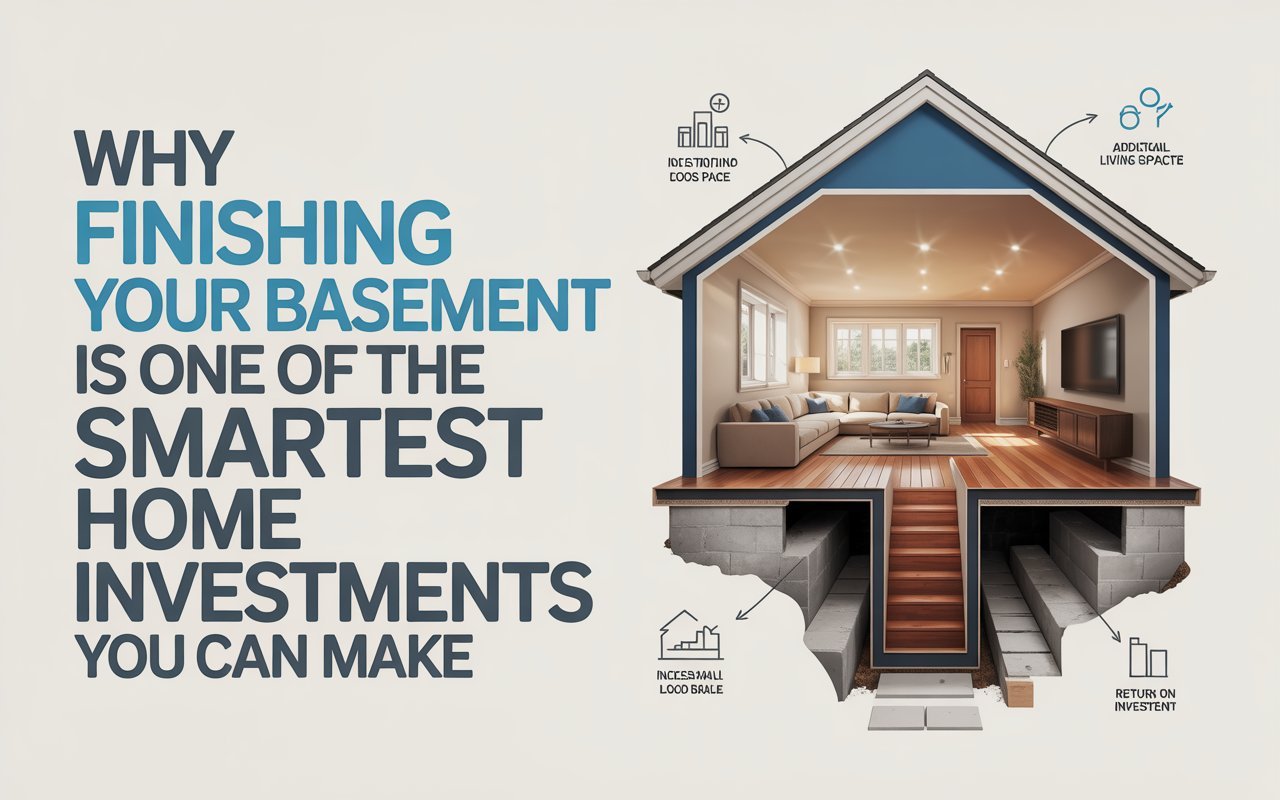
For many homeowners, the basement is the room that never quite gets its turn. It collects seasonal items, old furniture, and things that don’t have a better place yet. Meanwhile, hundreds of square feet of usable space sit underneath the living areas of the home – uninsulated, unfinished, and generating zero return on the property’s footprint. That gap between what a basement is and what it could be is exactly where a smart renovation decision begins.
Understanding the True Scope of a Basement Finishing Project
Finishing a basement is not simply a matter of adding drywall and calling it done. It involves a sequence of decisions starting with moisture assessment, moving through structural framing and MEP (mechanical, electrical, and plumbing) rough-ins, and finishing with materials and layout choices that will define how the space functions for years. Homeowners who approach the project with a clear plan and the right contractor behind them consistently end up with results that feel intentional rather than improvised.
That is why connecting with an expert basement finishing team early in the process matters so much. Experienced contractors help identify potential complications – foundation concerns, existing utility configurations, ceiling height limitations – before they become expensive mid-project surprises. Getting those conversations started before the first board is cut is one of the most practical things a homeowner can do.
Why Moisture Control Has to Come First
Before any finishing work begins, a thorough moisture evaluation is non-negotiable. Basements are below-grade spaces, which means they are inherently more susceptible to water intrusion than any other part of the home. This can come from groundwater pressure against the foundation, surface runoff that isn’t being directed away from the house, or simple condensation from temperature differentials inside the space.
Skipping this step or treating it as a minor detail is one of the most common and costly mistakes homeowners make during basement renovations. Water damage that develops behind finished walls is expensive to remediate and often requires tearing out completed work. A proper moisture barrier, combined with good drainage and ventilation planning, protects every other investment made in the project.
Choosing a Layout That Fits How Your Household Actually Lives
Once the mechanical fundamentals are in place, the layout becomes the most important creative decision in the project. A finished basement should not feel like an afterthought tacked onto the main living spaces of the home, it should feel deliberate. That starts with a realistic assessment of how the space will be used.
Families with young children often benefit from a dedicated recreation room with durable, easy-to-clean surfaces. Remote workers may prioritize a quiet, well-insulated home office. Others want a guest suite that offers privacy and its own bathroom. The most successful basement layouts tend to account for multiple uses, with flexible zones that can evolve as the household’s needs shift over time.
Key Finishing Decisions That Shape the Final Result
Several material and design choices have an outsized impact on how livable a finished basement becomes:
- Flooring: Luxury vinyl plank remains the most popular choice for below-grade spaces because it handles moisture, installs directly over concrete, and achieves a polished look without the vulnerability of hardwood or traditional laminate.
- Lighting: Recessed can lighting is widely preferred because it maintains ceiling height while providing even, bright illumination throughout the space. Layering in wall sconces or pendant fixtures adds warmth to specific zones.
- Ceiling height: Where headroom allows, a drywall ceiling almost always looks more finished and feels more comfortable than a drop ceiling. However, drop ceilings remain a practical option where utility access needs to be maintained.
- Egress windows: For any bedroom use, local building codes typically require an egress window of sufficient size for emergency exit. This is not optional and should be built into the design from the start, not retrofitted later.
The Planning and Permitting Side That Homeowners Often Underestimate
Basement finishing projects are not permit-exempt in most jurisdictions. Framing, electrical, plumbing, and HVAC work all typically require permits and inspections. Skipping this step may seem like a shortcut, but it creates significant complications when the home is sold, particularly if the finished space was completed without proper documentation. Buyers’ lenders and inspectors will flag unpermitted work, and sellers are often required to either remediate or disclose it.
A qualified contractor navigates this process as part of the job. They know local code requirements, coordinate inspections at the appropriate stages, and ensure that the completed work is done to a standard that will hold up under scrutiny, whether for resale, refinancing, or a home equity assessment.
Evaluating the Return on Investment
Finished basements consistently rank among the highest-ROI home improvement projects in real estate analyses. Depending on the market and the quality of the finish, homeowners can typically recoup a substantial portion of the project cost in added home value, and in the meantime, they gain usable living space without adding to their home’s physical footprint. For households in areas with tight square footage or rising real estate prices, that equation becomes even more compelling.
Working with the professional basement finishing services at CCS of Utah ensures that investment is built on a solid foundation from the initial assessment through the final inspection, giving homeowners confidence that the work reflects both quality craftsmanship and code compliance.
Conclusion
A finished basement represents one of the most practical and value-generating improvements a homeowner can make. When approached with the right planning, the right team, and the right sequence of decisions, starting with moisture control and ending with thoughtful design choices, it transforms overlooked square footage into one of the most functional parts of the home. The project requires effort and investment, but the long-term return, both in livability and property value, consistently makes it worthwhile.