
 By Jeff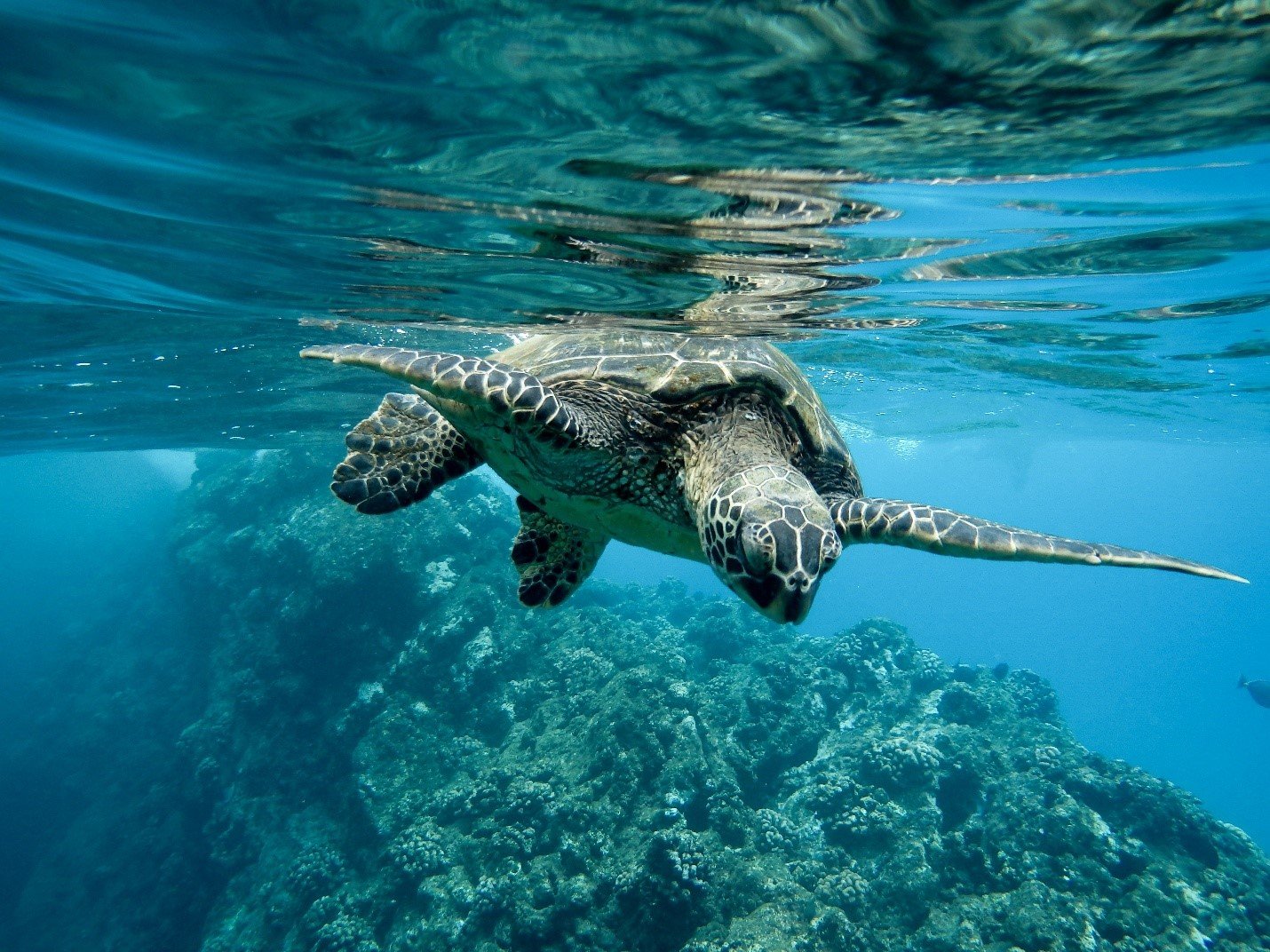
The timing of your dive trip can mean the difference between swimming alongside whale sharks or missing them entirely. Australia’s marine ecosystems operate on distinct seasonal patterns, with different species appearing at predictable times throughout the year. Understanding these natural cycles helps you maximise your underwater experiences while supporting responsible wildlife tourism.
Understanding Australia’s Unique Marine Seasons
Australia’s position spanning tropical to temperate waters creates multiple overlapping ecosystems, each with its own rhythm. The country’s 25,760 kilometers of coastline host over 4,000 fish species and the world’s most extensive coral reef system. Unlike destinations with a single diving season, Australia offers year-round opportunities, but specific wildlife encounters require strategic planning.
Water temperature varies significantly by region. The tropical north maintains 24-29°C year-round, while southern waters fluctuate between 12-24°C depending on the season. These temperature ranges influence not just comfort levels but also migration patterns, breeding cycles, and feeding behaviors of marine species.
Whale Sharks Along the Ningaloo Coast (March to July)
The annual congregation of whale sharks at Ningaloo Reef represents one of nature’s most reliable spectacles. Between March and July, these gentle giants migrate to Western Australia’s coast to feed on coral spawn and plankton blooms. Peak season runs from mid-April through June, when up to 400 individuals gather in the area.
Exmouth serves as the primary base for these encounters. The reef sits just meters from shore in some locations, making it accessible without long boat journeys. Whale shark tours Exmouth operators work with spotter planes to locate animals ethically, ensuring high success rates while minimising disturbance.
The conditions during whale shark season offer additional benefits. Visibility often exceeds 20 meters, and the water temperature hovers around 24-26°C, comfortable in a 3mm wetsuit. Manta rays also frequent these waters during the same period, along with humpback whales passing through on their northern migration.
Local operators play a major role in maintaining the sustainability of these encounters. Companies such as Three Islands Whale Shark Dive operate under strict environmental guidelines set by Western Australia’s Department of Biodiversity, Conservation and Attractions. Their tours focus on small group interactions, regulated swim times, and responsible wildlife practices that help protect whale sharks while giving visitors a high-quality experience on the Ningaloo Reef.
Great Barrier Reef’s Year-Round Appeal
The Great Barrier Reef defies seasonal limitations, offering consistent diving from Cairns to the Whitsundays throughout the calendar. However, specific phenomena occur at particular times. Coral spawning happens annually in November or December, typically 4-6 nights after the full moon. This synchronised reproduction event fills the water with millions of egg-sperm bundles, creating an underwater snowstorm effect.
Minke whale season runs from June through July, when these curious dwarf minke whales visit the northern reef sections. Unlike most whale species, minkes often approach divers, leading to regulations that allow controlled in-water encounters. The Ribbon Reefs become the focal point for these interactions.
Summer months (December-February) bring warm 29°C water but also potential cyclone activity. The stinger season requires full-body suits in coastal areas, though offshore reefs remain relatively unaffected. Winter diving (June-August) offers the clearest visibility, sometimes reaching 40 meters, with comfortable 23-25°C water temperatures.
Manta Ray Aggregations and Seasonal Peaks
Manta rays patrol Australian waters year-round, but their numbers swell during specific feeding and cleaning periods. Lady Elliot Island at the southern Great Barrier Reef sees manta activity peak from May through October, with some individuals returning to the same cleaning stations for decades.
South West Rocks in New South Wales hosts a resident population around Fish Rock Cave, with the highest concentrations from May through November. The cave’s unique topology creates current patterns that concentrate plankton, drawing mantas repeatedly to the site.
Grey nurse sharks also gather at this location during the same period, creating opportunities to observe multiple large species simultaneously. The sharks congregate for breeding rather than feeding, making them particularly docile and approachable for divers.
Southern Migrations and Temperate Species
Australia’s southern coast experiences distinct seasonal changes that bring unique opportunities. Between May and October, leafy seadragons become more visible in South Australia’s kelp forests as they prepare for breeding season. Males carrying eggs appear from September through November, providing rare wildlife photography subjects.
Giant cuttlefish aggregate in Spencer Gulf between May and August for one of the world’s largest cephalopod gatherings. Tens of thousands of individuals compete for mates in shallow water, displaying rapid color changes and complex behaviors. The aggregation occurs in winter, requiring 7mm wetsuits or drysuits, but the spectacle justifies the cold.
Tasmania’s temperate waters offer encounters with fur seals, particularly around the Tasman Peninsula. These playful animals remain active year-round, but visibility peaks in summer (December-February) when water temperatures reach 16-18°C. The kelp forests in this region rival any tropical reef for biodiversity, hosting species found nowhere else on Earth.
Planning Around Natural Events
Coral spawning represents one timing consideration worth building a trip around. The phenomenon varies by region and coral species, but the main event on the Great Barrier Reef follows predictable patterns. Water temperature, day length, and lunar cycles all trigger the synchronised release. Scientists can predict the timing within a few days, though pinpointing the exact night remains challenging.
Humpback whale migrations offer another scheduling opportunity. Northbound whales pass the east coast from June through August, while southbound animals with calves return between September and November. The southern migration typically provides better encounters, as mothers linger in protected bays, allowing respectful surface observations and sometimes in-water experiences where permitted.
If you’re weighing multiple destinations and timing considerations, examining comprehensive regional options helps narrow down the best fit for your schedule and interests. Resources covering Australia’s premier diving locations provide insights into how different sites compare across seasons, helping you match wildlife priorities with practical travel windows.
Water Conditions and Visibility Patterns
Visibility varies more by weather patterns than by season in many Australian locations. The wet season in tropical regions (November-March) brings afternoon storms that can temporarily reduce clarity, but mornings often remain clear. River runoff affects coastal sites more than outer reefs, where visibility stays consistently high.
The Coral Sea, accessible from Cairns via liveaboard, maintains 30-40 meter visibility year-round. These remote sites require 3-4 day trips but reward divers with pristine conditions and pelagic encounters including sharks, tuna, and marlin. The season runs from late August through December, when seas are calmest.
Southern sites experience more dramatic seasonal variation. Winter storms in South Australia and Tasmania can create challenging surface conditions, but underwater visibility often improves due to reduced plankton growth in colder water. Summer brings calmer seas but sometimes reduced clarity from algae blooms.
Certification Requirements and Skill Considerations
Different seasons present varying difficulty levels. Summer conditions in the north generally suit all experience levels, with calm seas and minimal current. Winter diving in southern regions requires cold-water training and appropriate exposure protection.
Whale shark tours accept snorkelers and divers alike, making them accessible to non-certified visitors. However, diving credentials allow you to explore the reef more thoroughly between whale shark encounters. Many operators offer resort courses that provide same-day certification for basic dives.
Technical diving opportunities exist year-round but certain wrecks and deep sites become more accessible during calm-weather windows. The HMAS Brisbane in Queensland and the ex-HMAS Hobart in South Australia both sit in depths requiring advanced training and suit calm conditions typically found in summer months.
Conservation Considerations for Responsible Timing
Visiting during peak wildlife seasons contributes to conservation funding while applying pressure on fragile ecosystems. Choosing operators with marine biology observers and following distance guidelines helps minimise impact. Some sites implement visitor caps during sensitive periods like turtle nesting or coral spawning.
The Australian Marine Conservation Society provides seasonal updates on which areas face environmental stress and might benefit from reduced visitor numbers. Climate change has shifted some traditional patterns, with coral bleaching events becoming more frequent during unusually warm periods.
Supporting scientific research through citizen science programs adds value beyond simple tourism. Projects like Reef Check Australia and the Great Barrier Reef Marine Park Authority’s Eye on the Reef initiative accept data from recreational divers, helping monitor reef health and species populations.
Practical Planning Considerations
Booking windows vary by destination and season. Whale shark tours often fill 3-6 months in advance for peak weeks, while shoulder season dates remain available closer to departure. Liveaboard trips to remote sites like the Coral Sea or Rowley Shoals require even longer lead times.
Travel logistics within Australia deserve attention. Domestic flights to regional hubs like Exmouth, Cairns, or Port Lincoln can be expensive during school holiday periods (late December-January, April, June-July, and September-October). Booking flights and accommodation well ahead reduces costs significantly.
Weather cancellations occur more frequently during tropical cyclone season (November-April in the north). Travel insurance covering weather-related disruptions provides peace of mind, particularly for expensive liveaboard bookings. Most operators offer rescheduling options rather than refunds for weather cancellations.
The variety of Australia’s marine environments means something special happens somewhere every month. Rather than searching for a perfect universal window, matching your specific interests with the right location and timing creates optimal experiences. Cold-water enthusiasts might prefer Tasmania’s winter giant cuttlefish, while tropical fish photographers will love summer on the Great Barrier Reef.
Timing your Australian diving adventure around natural cycles transforms good trips into extraordinary ones. The predictability of these patterns, combined with the country’s reliable infrastructure and experienced operators, makes planning straightforward once you understand the seasonal rhythms governing life beneath the surface.