
 By Jeff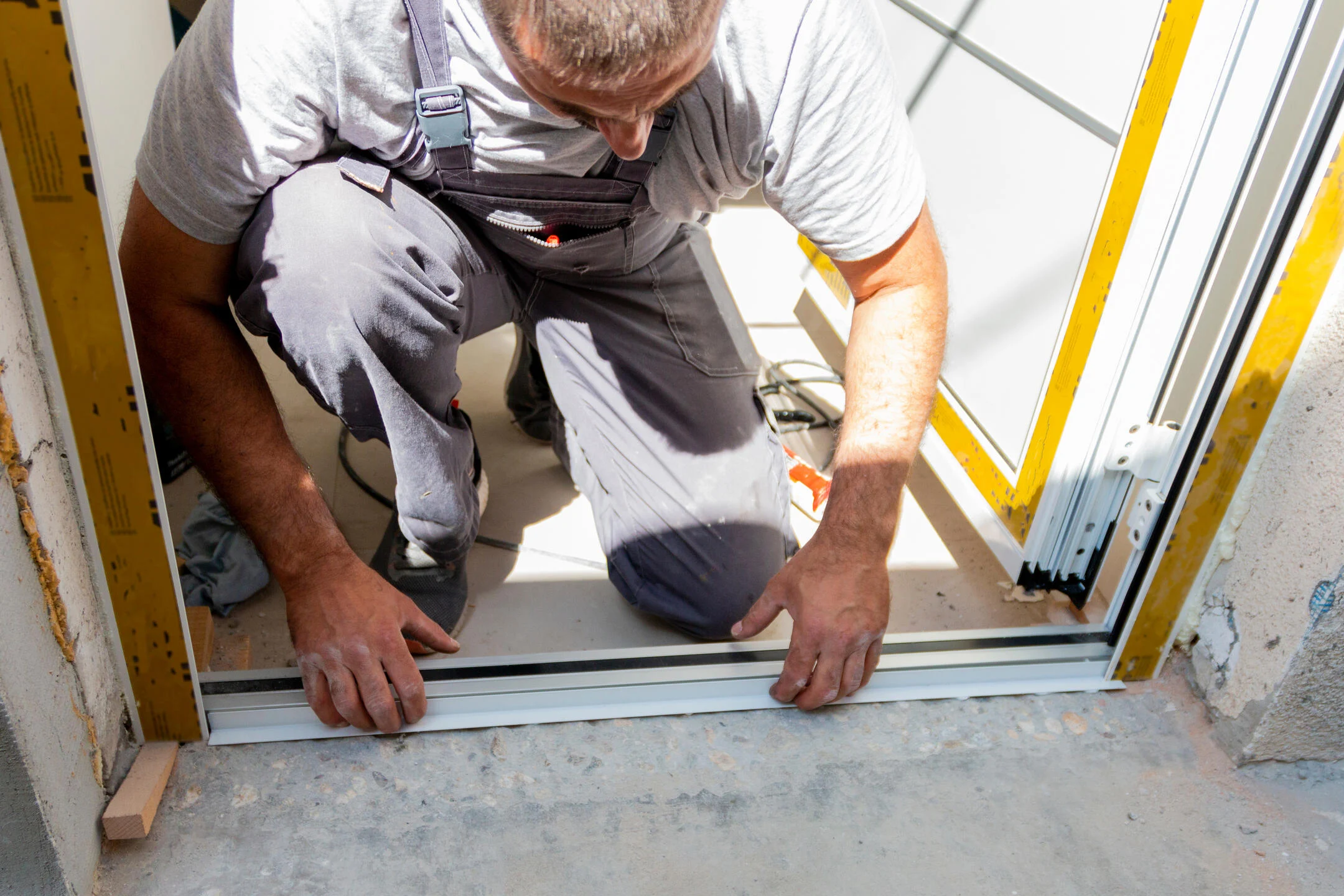
Doors are more than just entryways; they are integral to a home’s safety, energy efficiency, functionality, and aesthetic appeal. A properly installed door can enhance the look of a home, improve insulation, increase security, and provide long-term durability. Whether you are replacing an old, worn-out door or upgrading to a more energy-efficient and stylish option, understanding the full replacement process is essential for homeowners who want lasting results.
This guide provides a step-by-step approach to door replacement, covering everything from assessing your home’s needs and selecting materials to professional installation techniques and finishing touches. It emphasizes practical advice, energy efficiency, safety, and design considerations to help homeowners make informed decisions.
Why Door Replacement Matters
Replacing a door is not just about aesthetics. The right door can improve security, enhance energy efficiency, and prevent drafts and water infiltration. Poorly fitted doors can result in energy loss, structural issues, and decreased comfort. A quality door replacement ensures that your home remains safe, efficient, and visually appealing. Homeowners who prioritize proper installation and professional techniques are rewarded with doors that function flawlessly and maintain their beauty over time.
Assessing Your Home’s Needs
Before selecting a door, it is important to evaluate your home’s specific requirements. Start by considering energy efficiency. In many regions, doors are a major source of heat transfer, which can increase utility bills. Choosing insulated doors with high-quality frames and weatherstripping reduces drafts and keeps indoor temperatures stable. Safety and security are also critical. Homeowners should look for solid construction, reinforced frames, and secure locking mechanisms to prevent forced entry. Style and aesthetics are equally important, as doors set the tone for your home’s exterior appearance. Whether you prefer classic wood, modern fiberglass, or steel doors, the material, finish, and design should complement your home’s architecture. Finally, budget considerations must balance initial costs with long-term value, including durability, maintenance, and energy savings.
Selecting the Right Materials
Choosing the proper materials is crucial for a successful door replacement. Door frames and panels come in a variety of options, each with unique benefits. Wood doors offer a timeless appearance and natural insulation but require regular maintenance to prevent warping or decay. Fiberglass doors provide strength, resistance to weather, and low maintenance while offering customizable finishes. Steel doors are extremely durable and secure, making them ideal for entry doors, though they may require rust prevention in humid climates. Many homeowners also consider composite doors, which combine materials for enhanced strength, energy efficiency, and durability.
The glass components of doors, such as panels or sidelights, impact both natural light and insulation. Double-glazed or Low-E glass reduces heat transfer and enhances energy efficiency while allowing light to enter. Selecting hardware, including hinges, handles, and locks, is equally important. Durable, high-quality hardware ensures smooth operation, long-term functionality, and improved security.
Preparing for Door Replacement
Preparation is a critical step to ensure a smooth installation. Start by measuring the door opening accurately. Measure the width, height, and depth, and check for square corners to avoid gaps that can compromise insulation and security. Inspect the surrounding frame and wall for signs of damage, such as rot, water infiltration, or structural issues, and repair any problems before installation. Protect your floors, walls, and furniture during removal and installation using drop cloths or protective coverings. These steps help prevent accidents, damage, and unnecessary delays.
Removing the Old Door
Careful removal of the existing door is essential to avoid damaging the surrounding structure. Remove trim and molding carefully, taking note of any reusable components. Remove the door from its hinges and take out the frame if the replacement requires a full-frame installation. Dispose of old materials responsibly, following local guidelines for recycling or disposal. Proper removal sets the stage for a precise and efficient installation of the new door.
Professional Door Installation
Professional Door Replacement ensures that the new door fits perfectly, functions smoothly, and remains secure for years. Begin by dry-fitting the door in the opening to check for proper alignment. Use shims to ensure the frame is level, plumb, and square, as even minor misalignments can cause drafts, sticking, or operational issues. Secure the door according to manufacturer guidelines, avoiding over-tightening, which could warp the frame. Insulate gaps between the door and frame with appropriate materials and seal around the perimeter with high-quality caulk to prevent air or water infiltration. Finally, test the door’s operation, ensuring it opens, closes, locks securely, and seals tightly.
Professional installation not only ensures optimal performance but also provides peace of mind. Skilled contractors can recommend energy-efficient options, correct alignment techniques, and ensure compliance with local building codes.
Finishing Touches
The final steps in door replacement involve both interior and exterior finishing. Reinstall or replace trim and molding as needed, and touch up paint or finishes to achieve a polished appearance. Inspect the door for any remaining gaps and apply additional sealing if necessary. These finishing touches not only enhance the visual appeal of the door but also contribute to energy efficiency, comfort, and long-term durability.
Energy Efficiency Tips
Even the most advanced doors will underperform if installed incorrectly. Proper alignment, airtight seals, and insulated frames are critical for maximizing energy efficiency. Choosing doors with double or triple-pane glass and Low-E coatings helps reduce heat transfer and utility costs. High-quality weatherstripping and proper caulking prevent drafts and water infiltration, enhancing both comfort and long-term savings. Professional Door Replacement ensures that all of these elements are correctly implemented
Safety and Security Considerations
A door is a key line of defense for your home. Selecting materials with reinforced cores, high-quality locks, and durable hardware improves security. Correct installation ensures that the frame and door function together to resist forced entry. For households with children, consider limited-opening mechanisms or additional safety features to prevent accidents. Professional contractors follow strict safety standards to ensure that every door is both functional and secure.
Maintenance for Longevity
Routine maintenance preserves both the appearance and functionality of your doors. Inspect weatherstripping, seals, and hinges regularly, and repair or replace worn components promptly. Clean frames and panels to remove dirt or debris, and reapply exterior sealants when necessary. Lubricate moving parts to maintain smooth operation, and monitor for drafts or moisture infiltration to prevent long-term damage. Regular maintenance ensures that your door continues to provide security, comfort, and aesthetic value for years.
Conclusion
Replacing a door involves careful planning, proper material selection, precise installation, and ongoing maintenance. By focusing on energy efficiency, safety, and style, homeowners can enhance the functionality and appearance of their homes. Professional Door Replacement services ensure that every step is completed to industry standards, providing long-lasting performance, reduced energy costs, and peace of mind. With the right approach, a new door can transform your home’s look, comfort, and security, making it a worthwhile investment for the future.