
 By Jeff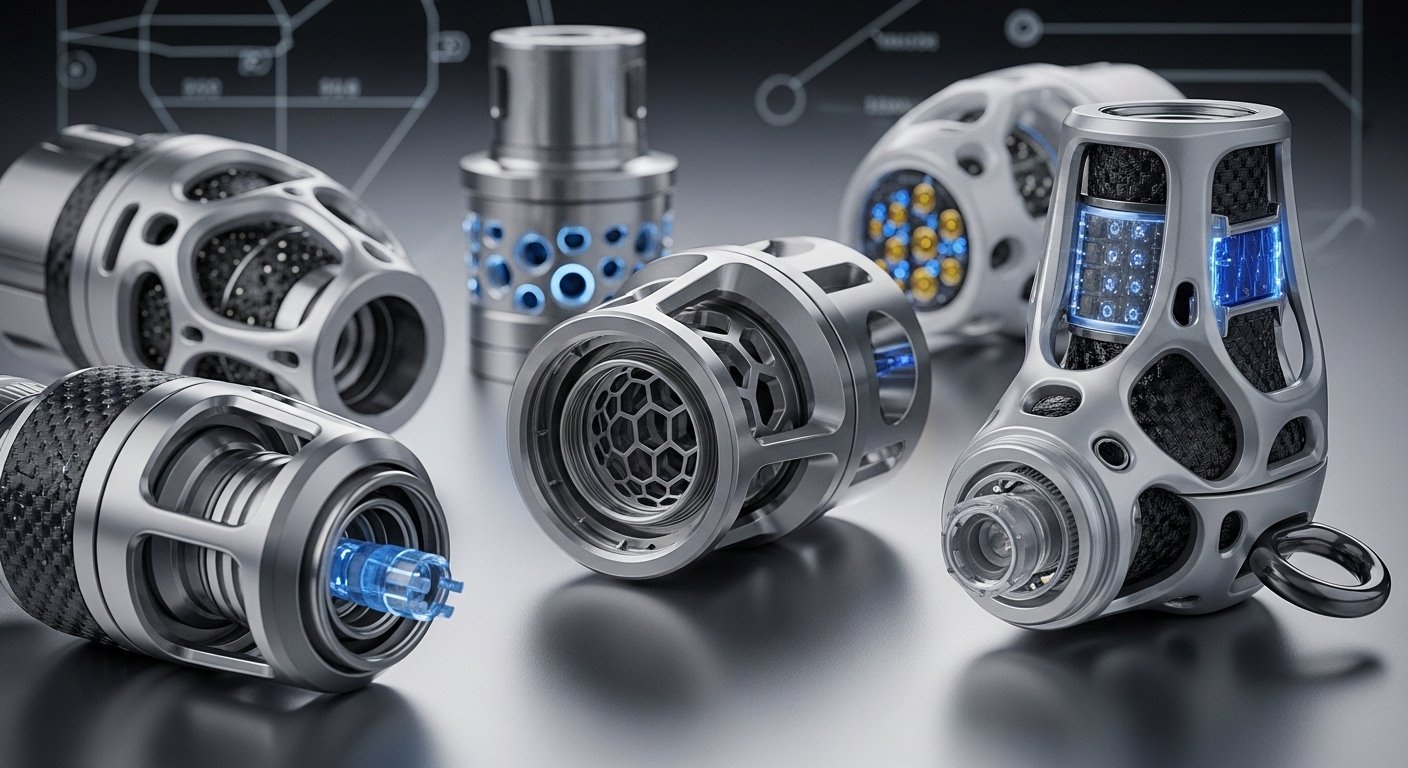
Aerospace engineering is experiencing a renaissance, with advances in aircraft components driving significant improvements in performance and safety. Among these crucial elements, fittings serve as indispensable connectors and supports throughout the aircraft, ensuring the reliability of both structure and systems. For those working to modernize or maintain aircraft, understanding the critical role of innovations in fittings, as well as resources like aircraft hardware kits, is key to keeping pace with industry transformation. Modern aircraft demand components that are not only lighter and stronger but also capable of withstanding more demanding operational conditions. Aerospace fittings must meet these challenges by leveraging new materials and manufacturing processes. As research and development accelerate, the industry is rapidly pushing the boundaries of what is possible in airframe construction and system integration.
While many focus on the high-profile advances in propulsion and avionics, innovations in fittings deliver equally profound impacts. Reducing weight, boosting durability, and streamlining maintenance are just some of the benefits realized through targeted material and design choices in next-generation aerospace fittings. The competitive drive for efficiency and sustainability is fueling close cooperation between leading aerospace companies, universities, and research organizations. These collaborations are generating not only stronger, lighter fittings but also smarter solutions that align with broader aviation industry goals for safety, fuel economy, and emissions.
Material Advancements in Aerospace Fittings
The continued pursuit of lighter, higher-strength materials is at the heart of recent advances in aerospace fittings. Titanium, aluminum alloys, high-grade stainless steel, and next-generation composites are prime choices, offering superior durability while reducing weight. Titanium is particularly valued for its exceptional strength-to-weight ratio and corrosion resistance, making it ideal for both structural and system fittings. Meanwhile, the adoption of advanced aluminum alloys maintains the balance between lightweight construction and mechanical integrity. Composite materials represent the latest leap forward, often combining carbon fiber reinforcement with a polymer matrix. These composites offer unparalleled design flexibility and contribute to both impact resistance and vibration damping, which are critical to reducing the fatigue life of fittings. Ongoing research in materials science is paving the way for future fittings that are lighter yet no less robust or reliable.
Manufacturing Techniques Enhancing Fittings
The implementation of cutting-edge manufacturing processes, such as additive manufacturing (3D printing) and advanced precision machining, has transformed the way aerospace fittings are produced. Additive manufacturing, in particular, enables the creation of highly complex geometries that previously were either impractical or impossible to produce using traditional subtractive techniques. This technology not only reduces material waste but also accelerates prototyping and customization, which is increasingly vital for both commercial and military aerospace programs.
Precision machining continues to be refined through computer numerical control (CNC) and advanced multi-axis systems, ensuring exact tolerances and minimizing defects. These methods are augmented by new quality assurance protocols and real-time monitoring, ensuring that fittings meet or exceed the rigorous standards required for flight-critical components. Learn more about how these developments are part of the larger manufacturing trend in aerospace from Aviation Tech Today.
Impact on Fuel Efficiency and Performance
The direct impact of modern fittings on aircraft efficiency is profound. Every pound saved translates to significant fuel savings over the lifespan of an aircraft. By using fittings made from lightweight metals and composites, airlines can enhance payload capability, broaden operational range, and lower both direct operating costs and environmental impact. These design improvements help airlines and manufacturers pursue the ambitious targets set by authorities such as the International Air Transport Association for a net-zero carbon future by 2050. Durability and reliability are equally important, as frequent replacement or maintenance of fittings can disrupt schedules, increase costs, and undermine efficiency gains. By extending service life and reducing the risk of in-flight failures, the next generation of fittings supports safer and more predictable flight operations.
Collaborative Efforts Driving Innovation
The rapid pace of change in aerospace fittings is driven in large part by coordinated initiatives between leading aerospace manufacturers and research communities. A prime example is Collins Aerospace in the UK, which has spearheaded efforts to engineer complex, composite-based components as part of system-simplification strategies. Such collaborations foster cross-pollination of ideas, shorten development timelines, and accelerate the integration of new technologies into commercial aircraft platforms sooner than would be possible through isolated R&D efforts.
Industry-wide forums and international partnerships have also accelerated the harmonization of standards and the adoption of best practices. The result is a more cohesive, future-ready approach to both design and maintenance.
Future Trends in Aerospace Fittings
Emerging technologies are reshaping expectations for aerospace fittings. Smart fittings, equipped with embedded sensors and onboard data-collection capabilities, are beginning to deliver real-time performance tracking and predictive maintenance insights. This proactive approach reduces unscheduled downtime and improves overall aircraft safety, as anomalies can be detected and addressed before they result in operational issues. Additionally, advancements in digital design, such as simulation-driven engineering and digital twin modeling, are facilitating the accelerated development and testing of new fitting configurations. The convergence of materials science, smart manufacturing, and digital technologies promises to push the boundaries of aerospace fittings even further in the coming decade.
Conclusion
Innovations in aerospace fittings exemplify the broader commitment to safer, more efficient, and sustainable air travel. Through material breakthroughs, advanced manufacturing, and close industry collaboration, these components are being reimagined to do more with less. As the aviation sector continues to embrace new technologies and smarter solutions, the humble fitting is poised to play an outsized role in the future of flight.